

Ray Revello wanders the cracked sidewalks of South San Francisco, singing, complaining, and explaining exactly how he thinks the world works.
Wrapped in bandages, squeezed into a leather jacket that barely fits, and fueled by beer and grievance, Ray unloads on family, neighbors, women, enemies, and whatever else happens to cross his mind. Between rants, he finds time for pizza, spontaneous advice, and a performance of his original anthem “Drink Some Beers and Beat My Wife.”
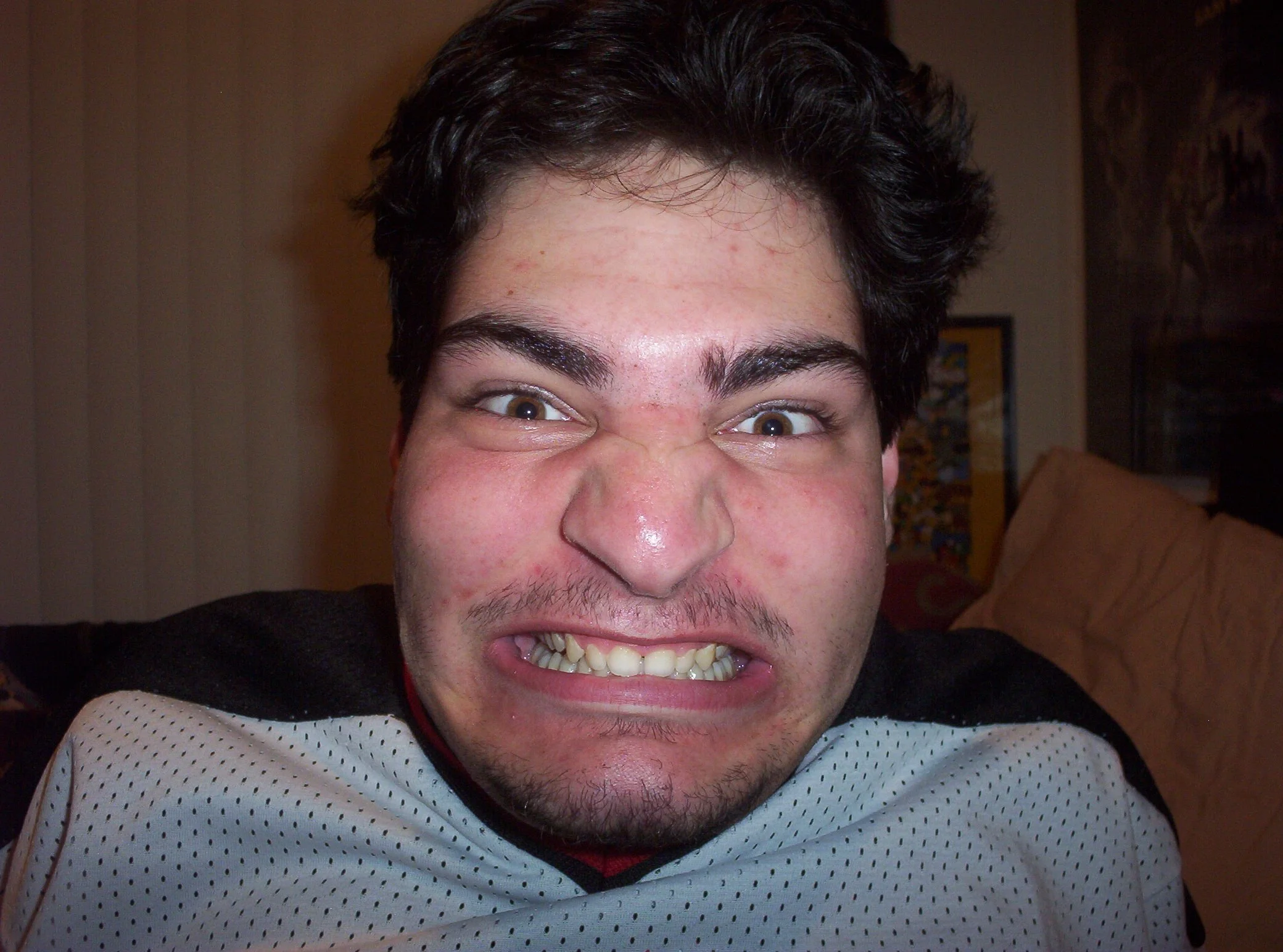
Behind the Scenes
The origins of Confessions of an Inglorious Bastard were considerably less intentional than the finished film suggests.
It began as a straightforward behind-the-scenes featurette for the long-forgotten Untitled Ray Revello Project, an early attempt at Ray’s directorial debut that may have been connected in some form to The Death Epic or When the Levee Breaks. The plan was simply to document the production, interview Ray, gather some footage, and eventually assemble a respectable little making-of. That idea didn’t last.
Walking home after the first shoot, Daryl Della and Ray began treating the documentary less as a record of another movie and more as an excuse to make each other laugh. The interviews loosened. Ray started performing for the camera. Daryl began looking for ways to undermine him in the edit. Whatever the original featurette had been intended to document quickly became secondary. The new movie was being discovered almost entirely through the footage itself.
Daryl began inserting sarcastic cuts around Ray’s tendency toward self-mythologizing, turning perfectly ordinary statements into setups and puncturing them with whatever contradictory image happened to be available. Ray understood what was happening and pushed further into it. His appearances became increasingly theatrical, with the line between Ray Revello and whatever version of Ray Revello he had decided to play that afternoon becoming progressively less useful.
The character that emerged was boastful, wounded, romantic, angry, ridiculous, and occasionally convinced he was delivering genuine wisdom. One later attempt to describe him compared him to Howard Hughes with the intelligence and charm removed, leaving only the madness.
Once that tone had established itself, almost anything could belong in the movie. New material was shot specifically to feed it. In one staged sequence that survives only in the outtakes, Ray burns Daryl’s younger brother with a fake cigarette as punishment for “writing like a nine-year-old.” Other scenes simply follow Ray through South San Francisco as he sings, complains, gives unsolicited advice, talks about his marriage, eats pizza, and tries to explain his philosophy of life to anyone still listening.
An entirely separate failed project was swallowed by Confessions as well. At the time, Wizard Magazine was holding a Batman fan-film contest centered around the villain Hush. Brandon J. Snyder proposed an interview-style parody with Ray wrapped in bandages as Hush. The segment was filmed in the newly constructed cottage behind the Della house, with Daryl’s mother supplying homemade chicken wings during the shoot. The chicken wings proved more memorable than the production. Ray managed to cover portions of his bandages in wing sauce, badly compromising whatever menace the costume had possessed. Snyder grew frustrated with the concept and abandoned the project midway through filming, but the guys kept shooting.
Instead of disappearing with the unfinished Hush parody, the bandaged Ray became another fragment of Confessions. Removed from its original purpose, the footage somehow made more sense. It no longer needed to function as Batman parody. It was simply another inexplicable episode in Ray’s increasingly fractured screen existence.
The resulting movie was not structured so much as accumulated.
The resulting movie was not structured so much as accumulated. Much of it was edited on Daryl’s green iMac during the group’s formative years. Then the original material disappeared, or at least appeared to. A finished version had been transferred to VHS as a precaution, and around 2008 that tape resurfaced. By then, the original digital edit was gone, leaving the VHS as the only surviving copy of the completed film. Daryl returned to the original Hi-8 tapes and rebuilt Confessions from scratch, using the VHS as a blueprint for the lost edit.
Even the people who made it eventually had trouble remembering exactly what they were looking at. Years later, Nathan Blonkenfeld admitted he had never seen the film before. Ray, watching his younger self perform, offered a simpler assessment: “Back when I was still funny.”
“Back when I was still funny.”
The joke fits the movie better than any formal explanation probably could. Confessions preserves Ray Revello at a point when the distinction between documentary subject, fictional character, collaborator, and willing victim of Daryl’s editing had almost completely collapsed. It collects whichever version of him happened to be standing in front of the camera that day and allows all of them to coexist. For a movie that began by trying to document Ray Revello, that may have been the most accurate result possible.